
The Premium That Won't Budge
You retired two years ago, dropped the second vehicle, and now drive 4,000 miles a year instead of 15,000. Your renewal notice arrived last week showing another increase. Nothing about your driving changed—no accidents, no tickets, same paid-off 2016 sedan—but the bill climbed $280 annually since you stopped commuting.
The gap exists because most carriers in New York treat retirement as invisible. You qualify for the state-mandated mature-driver discount the day you turn 55, and low-mileage programs exist for drivers logging under 7,500 miles annually, but neither applies automatically. The discount requires you to complete a state-approved accident prevention course and submit the certificate to your carrier. The mileage adjustment requires you to ask for it and, in some cases, enroll in a telematics program that tracks your actual use.
Compare rates from carriers that specialize in senior drivers
Mature driver discounts, low-mileage rates, and coverage reviews — see what you're actually eligible for.
Get Your Free QuoteNY Statutory Discount Floor
10%
New York Insurance Law §2336 requires insurers to offer at least a 10% discount to drivers who complete a state-approved accident prevention course. The discount is age-neutral—you qualify at any age once you complete the course—but carriers market it almost exclusively to drivers 55 and older.
NY Ins. Law §2336 (10% accident-prevention course discount per NY DFS Circular Letter No. 1 (1980); age-neutral)
How the Mature-Driver Discount Actually Works in New York
New York's statute makes the discount mandatory, but the mechanism is procedural, not automatic. You complete a state-approved accident prevention course—typically a six-hour classroom or online session covering defensive driving techniques, collision avoidance, and intersection protocols. The provider issues a completion certificate valid for three years. You submit that certificate to your carrier, and the carrier applies the 10% discount to your liability and collision premiums starting at the next renewal.
The three critical procedural realities competing pages skip: the discount applies only while the certificate remains valid, so you must re-enroll and re-submit every three years or the discount disappears at renewal. Most carriers will not notify you when the certificate expires—they simply stop applying the discount. The certificate must come from a state-approved provider; generic online safety courses do not qualify, and submitting the wrong certificate wastes weeks waiting for confirmation that never arrives. If you switch carriers, you must submit the certificate to the new insurer during the application process; the discount does not transfer automatically between companies.
Geico, Progressive, State Farm, and Nationwide all write in New York and accept the state-approved course certificate. Each handles submission differently: some accept uploads through the member portal, others require mailing the original certificate to an underwriting address, and a few accept email scans only if initiated through an agent. Confirm the submission pathway before you enroll in the course so the certificate goes to the right place the first time.
If you completed the course but your premium did not drop at renewal, your carrier likely never received the certificate or it expired before the renewal processed. Call and confirm submission status before paying the higher rate.
Low-Mileage and Usage-Based Programs for Light Drivers

Geico offers a low-mileage discount to drivers logging under 7,500 miles per year; enrollment requires an odometer reading at policy inception and periodic verification through the member portal. Progressive's Snapshot telematics program tracks actual mileage and driving patterns through a plug-in device or mobile app, adjusting rates based on real use rather than estimated annual mileage. State Farm offers Drive Safe & Save, a similar telematics option that monitors mileage, time of day, and braking patterns. All three programs require you to opt in—none apply automatically even when your estimated annual mileage drops below the threshold at renewal.
The procedural blocker here is timing: most carriers calculate your mileage adjustment at the six-month or annual renewal, not mid-term when you actually retire and stop commuting. If you retired in March and your renewal is in November, you pay the higher commuter-era rate for eight months unless you call and request a mid-term mileage review. Some carriers allow it; others make you wait until renewal. Confirm the carrier's mid-term adjustment policy before assuming the savings will appear immediately.
Related Articles


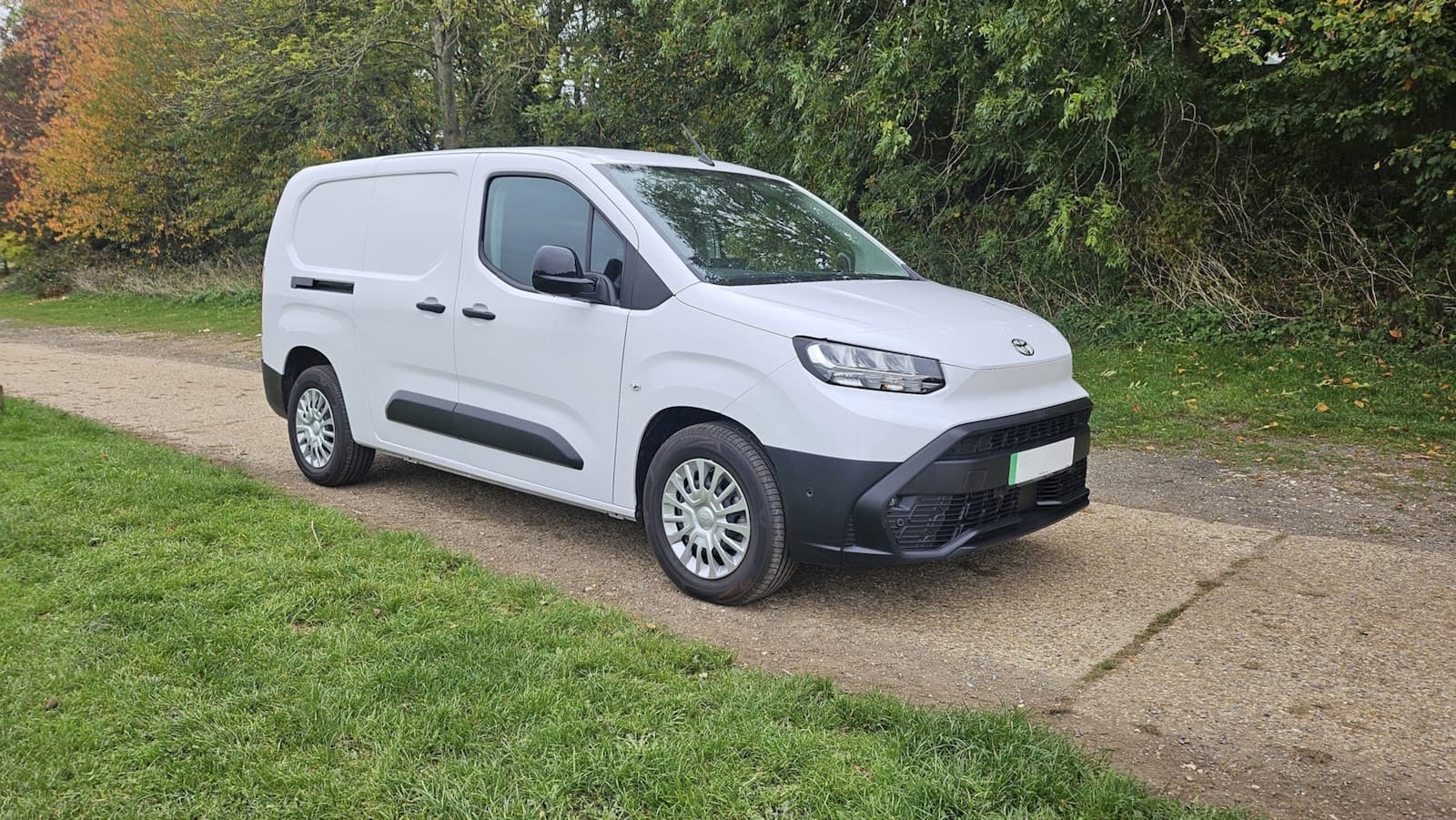
Full Coverage on a Paid-Off Vehicle: The Calculation Retirees Face
You own a 2016 sedan outright, it has 72,000 miles, and the private-party value sits around $8,500. You are paying $620 annually for collision and comprehensive coverage combined. The conventional threshold: if your annual collision and comprehensive premium exceeds 10% of the vehicle's value, the coverage may no longer earn its cost, particularly for a driver with retirement assets exposed in an at-fault accident who carries liability limits well above the state minimum.
New York requires $25,000 bodily injury per person, $50,000 per accident, and $10,000 property damage as the minimum liability floor. A retiree with home equity, retirement accounts, or taxable savings faces judgment risk beyond those minimums in a serious at-fault collision. Liability coverage protects those assets; collision coverage repairs your own vehicle after an at-fault accident. If the vehicle's value is modest and you can absorb a total-loss replacement cost from savings, dropping collision and keeping comprehensive—which covers theft, weather, and vandalism at a lower annual cost—becomes a viable structure.
The decision depends on your household position. If this is the only vehicle and replacing it out-of-pocket would strain cash flow, keep collision. If you own a second vehicle or can replace the car without touching retirement principal, the savings from dropping collision compound annually and, over three to five years, often exceed the vehicle's current value. Comprehensive remains inexpensive—typically $150 to $250 annually for a 2016 sedan in Mount Vernon—and protects against non-collision losses that occur even when the car sits parked.
NY Bodily Injury Minimum
$25,000
New York's minimum bodily injury liability coverage is $25,000 per person and $50,000 per accident. A retiree with home equity or taxable retirement accounts carries asset exposure beyond those limits in an at-fault crash, making higher liability coverage—often $100,000/$300,000 or $250,000/$500,000—a structural priority over collision on a paid-off vehicle of declining value.
NY auto insurance state minimum liability requirements
Medical Payments Coverage and Medicare Coordination
New York requires Personal Injury Protection (PIP) coverage as part of the minimum policy structure. PIP pays up to $50,000 per person for medical expenses, lost earnings, and other economic losses after an accident, regardless of fault. Medicare-eligible retirees often wonder whether PIP duplicates their Medicare coverage and whether they can drop it to lower the premium.
The answer: no. PIP is primary; Medicare is secondary. After an accident, your PIP coverage pays first up to its limit, then Medicare covers remaining eligible expenses. PIP also covers expenses Medicare does not—lost wages for a retiree still working part-time, household services, and transportation to medical appointments. Dropping PIP below the statutory minimum is not permitted in New York, so the question becomes whether to carry more than the minimum, not whether to carry it at all. Most retirees keep the $50,000 statutory minimum and rely on Medicare as the backstop rather than purchasing optional higher PIP limits.
Which Carriers in Mount Vernon Handle Senior Profiles Well
Geico, Progressive, State Farm, and Erie all write in New York and accept the state-approved accident prevention course certificate. Geico offers online quoting and low-mileage discount enrollment through the member portal; submission is straightforward for retirees comfortable with digital tools. Progressive's Snapshot telematics program works well for light drivers willing to install a device or use the mobile app; the mileage and time-of-day data can produce meaningful reductions for drivers who no longer commute during peak hours.
State Farm offers Drive Safe & Save and accepts the mature-driver course certificate through agents; many retirees prefer the agent relationship for mid-term adjustments and claims coordination, particularly when managing a policy from a fixed income where surprises at renewal create budget friction. Erie writes in New York through independent agents and brokers; their underwriting treats long-tenured clean-record drivers favorably, but quotes require an agent contact rather than online self-service.
Compare at least three carriers before renewing. Confirm that each quote reflects the mature-driver discount, your actual annual mileage, and the coverage structure you chose—liability limits appropriate to your asset exposure, and collision/comprehensive decisions aligned with the vehicle's current value and your household cash position. A retiree paying $1,680 annually for full coverage on a paid-off vehicle worth $8,500 is often overpaying by $600 or more compared to a policy with higher liability limits, no collision, and comprehensive retained.
What To Do Right Now
Enroll in a New York state-approved accident prevention course if you have not completed one in the past three years. The New York DMV maintains a list of approved providers at dmv.ny.gov; confirm the provider is on that list before paying for the course. Submit the completion certificate to your current carrier and request written confirmation that the discount will appear on your next renewal notice. If your renewal is more than 60 days away, ask whether the carrier applies the discount mid-term or only at renewal.
Request a quote from at least two other carriers writing in New York. Provide your actual annual mileage—not the estimate from five years ago when you were still commuting—and ask explicitly about low-mileage and usage-based programs. Compare the quotes against your current premium with the mature-driver discount applied. If the savings exceed $400 annually and the new carrier handles senior profiles well, switch. If your current carrier matches or beats the competing quote once the discount applies, stay and set a calendar reminder to re-enroll in the accident prevention course 90 days before the certificate expires three years from now.