The Premium That Didn't Change
You made the last payment, received the title, and expected your premium to drop. It didn't. The carrier still charges the same collision and comprehensive rate it did when the bank held the lien, because your vehicle's insured value hasn't changed. The loan satisfied your lender's requirement for full coverage, but the coverage itself protects the car's cash value regardless of who owns it.
Now you're weighing whether paying for collision and comprehensive still makes sense when no lender demands it. The coverage protects your asset, not the bank's, and the decision belongs entirely to you. In Utica, retirees driving paid-off vehicles of moderate age face this choice at every renewal, and most keep coverage they might not need because the renewal notice never frames it as optional.
Compare rates from carriers that specialize in senior drivers
Mature driver discounts, low-mileage rates, and coverage reviews — see what you're actually eligible for.
Get Your Free QuoteNY Bodily Injury Minimum Per Person
$25,000
New York requires $25,000 per person and $50,000 per accident in bodily injury liability, plus $10,000 property damage. These minimums protect others in an at-fault accident but do nothing for damage to your own vehicle.
NY Vehicle and Traffic Law
What Full Coverage Actually Covers After Payoff
Full coverage is shorthand for a policy combining liability, collision, and comprehensive. Liability satisfies New York's legal minimums and pays for damage you cause to others. Collision pays for damage to your vehicle in an accident regardless of fault. Comprehensive pays for theft, vandalism, weather damage, and other non-collision losses.
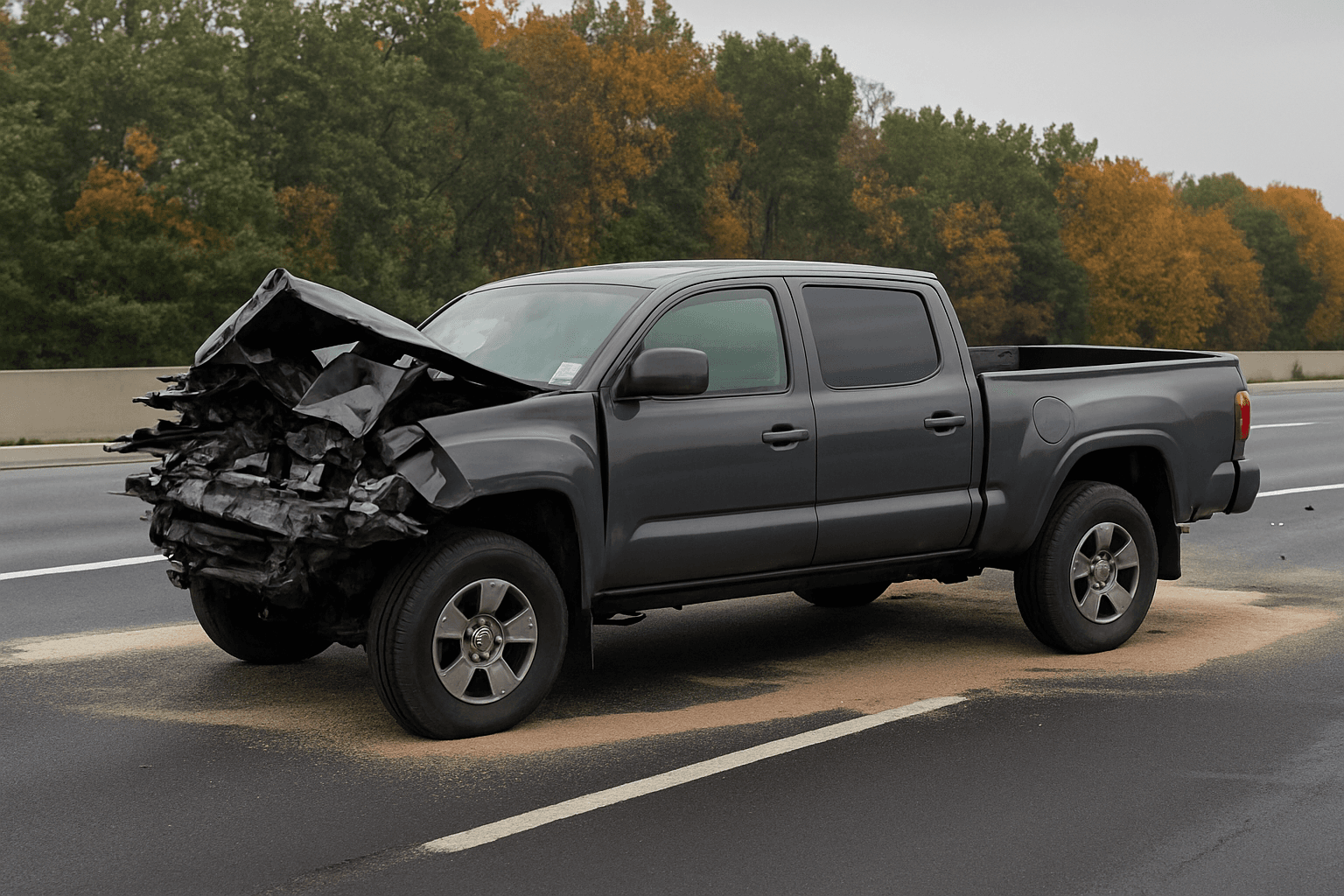
Once the loan is satisfied, liability remains mandatory but collision and comprehensive become elective. Your vehicle's age and value determine whether the premium for those coverages exceeds the benefit. A ten-year-old sedan worth $4,000 insured with a $500 deductible pays collision premiums that may approach the coverage limit in two or three years. A newer vehicle worth $18,000 still carries enough value that absorbing a total loss yourself creates real financial strain.
The paid-off status changes nothing about how the coverages function. Collision still pays actual cash value minus your deductible after an at-fault accident. Comprehensive still pays the same for a stolen vehicle. The only variable is whether you're willing to self-insure that loss instead of transferring the risk to the carrier.
Your blocker is informational: you lack a current cash-value figure for your vehicle and a side-by-side view of what you're paying annually for collision and comprehensive versus what those coverages would actually pay after deductible.
Run the Coverage-to-Value Calculation

Start with your vehicle's current cash value. NADA Guides, Kelley Blue Book, and Edmunds all publish trade-in and private-party ranges based on year, make, model, mileage, and condition. Use the private-party figure as your ceiling. Subtract your deductible. The result is the maximum your collision coverage would pay in a total loss. If that net figure is less than two years of your combined collision and comprehensive premium, the coverage costs more than it protects.
Pull your current declarations page and isolate the collision and comprehensive line items. Add them together and multiply by your payment frequency to get an annual cost. Compare that annual cost to the net cash value after deductible. When the premium-to-value ratio exceeds one-to-three, you're paying a dollar to protect three dollars of value, and the math starts to favor self-insurance. When it exceeds one-to-two, dropping coverage becomes the sharper financial choice for most retirees on fixed income.
Related Articles




Liability Limits and Retirement Assets
Dropping collision and comprehensive leaves liability in place, and retirees often carry limits barely above New York's $25,000 per person floor. That minimum protects your assets in an at-fault accident only up to the policy limit. If you cause $80,000 in injuries and carry $25,000 in coverage, the injured party can pursue your personal assets for the remaining $55,000.
Retirement savings, home equity, and investment accounts are all exposed above your liability limit. A retiree with a paid-off home and a modest retirement account faces far more asset risk from under-insured liability than from driving without collision coverage on a vehicle worth $6,000. When you drop collision to reduce premium, redirect part of that savings to higher liability limits. Increasing bodily injury coverage to $100,000 per person and $300,000 per accident costs less than most retirees expect and protects assets that dwarf the vehicle's value.
New York also requires uninsured motorist coverage, which protects you when an at-fault driver carries no insurance or insufficient coverage. This coverage mirrors your liability limits, so increasing liability also increases your uninsured motorist protection. The dual benefit makes the liability increase a better use of premium dollars than collision coverage on a depreciated vehicle.
Medical Payments and Medicare Coordination
New York is a no-fault state and requires Personal Injury Protection coverage, which pays your medical bills and lost wages after an accident regardless of who caused it. PIP applies before your health insurance, including Medicare, and covers expenses Medicare excludes such as transportation to medical appointments and certain rehabilitation costs.
Medicare Part B covers accident-related injuries, but PIP pays first. If your PIP limit is $50,000 and your accident-related medical bills reach $30,000, PIP pays the full amount and Medicare never processes a claim. When PIP is exhausted, Medicare becomes primary. Retirees often ask whether Medicare eliminates the need for PIP. It does not. PIP is mandatory in New York, and the coverage provides benefits Medicare does not, including wage replacement and services Medicare limits.
Medical Payments coverage, common in other states, is redundant in New York because PIP provides broader protection. Some carriers offer optional Medical Payments as a supplement, but most New York policies include only PIP. If your declarations page lists both, verify with your carrier which applies first and whether you're paying twice for overlapping coverage.
NY Accident Prevention Course Discount Floor
10%
New York Insurance Law §2336 requires carriers to offer at least a 10 percent discount to drivers who complete a state-approved defensive driving course. The discount applies regardless of age and renews every three years upon course completion.
NY Ins. Law §2336; NY DFS Circular Letter No. 1 (1980)
When to Keep Comprehensive Without Collision
Comprehensive covers theft, vandalism, glass damage, weather events, and animal strikes. These losses occur independent of driving behavior and affect parked vehicles as frequently as driven ones. A retiree in Utica faces winter hail, windshield cracks from road debris, and the occasional deer strike on rural routes outside the city.
Comprehensive premiums run lower than collision premiums because the risk pool is smaller and the coverage excludes at-fault accidents. If your vehicle is worth enough that replacing a shattered windshield or repairing hail damage out-of-pocket creates strain, keeping comprehensive while dropping collision is a middle path many retirees choose. The coverage protects against losses you cannot avoid through careful driving, while collision primarily protects against at-fault accidents you're statistically unlikely to cause given your clean record and reduced mileage.
Compare Carriers That Write Senior Profiles Well
Carriers writing in New York vary in how they underwrite retirees. Erie, State Farm, and GEICO all write standard and preferred-tier policies in the state and offer the state-mandated accident prevention course discount. Completing a New York-approved defensive driving course qualifies you for at least the 10 percent statutory floor, and many carriers apply a higher discount in their filed rates. The discount renews every three years when you retake the course.
Low-mileage programs benefit retirees who no longer commute. GEICO and Progressive both offer usage-based programs in New York that adjust premium based on miles driven and driving patterns. If you drive fewer than 7,500 miles annually, these programs often yield savings that exceed the mature-driver course discount. Some carriers require telematics enrollment; others allow self-reported mileage verified at renewal. Ask each carrier you quote whether their low-mileage program applies to your profile and how it combines with the accident prevention course discount.
When comparing quotes, request identical liability limits, deductible, and coverage structure across all carriers so the comparison isolates pricing and discount application. The mature-driver discount is mandatory, but carriers are not required to volunteer it. Submit your course completion certificate with your application or at renewal to ensure the discount applies. If a carrier's quote does not reflect it, ask explicitly how much the discount reduces your premium before accepting the policy.