
When the Course Certificate Doesn't Change Your Premium
You completed a defensive driving course, mailed the certificate to your carrier, and opened your renewal notice expecting to see the mature-driver discount applied. The premium barely changed. Your agent says the discount is there, but the math doesn't match what you were told the course would save. Or worse: the discount appeared once, then disappeared at the next renewal with no explanation.
This procedural gap is where most New York seniors lose the savings the law guarantees. New York Insurance Law §2336 requires every auto insurer writing in the state to offer at least a 10% discount for drivers who complete a state-approved accident-prevention course. The mandate is age-neutral — any driver qualifies — but the discount is marketed almost exclusively to seniors, and the mechanics of keeping it active at renewal are never explained up front. The course is real, the discount is real, and the certificate you earned triggers it. What fails is the handoff between you, your carrier, and the renewal system.
Compare rates from carriers that specialize in senior drivers
Mature driver discounts, low-mileage rates, and coverage reviews — see what you're actually eligible for.
Get Your Free QuoteNY Statutory Discount Floor
10%
New York Insurance Law §2336 requires insurers to offer at least a 10% premium reduction for drivers who complete a state-approved accident-prevention course. Carriers may offer more than 10%, but the statute sets the floor and your completion certificate is proof of eligibility.
NY Ins. Law §2336 (10% accident-prevention course discount per NY DFS Circular Letter No. 1 (1980); age-neutral)
What New York Law Requires and What Your Carrier Controls
The statute guarantees the discount exists. It does not guarantee automatic application, perpetual enrollment, or renewal notification when your certificate expires. Every carrier writing auto policies in New York must file a discount structure with the Department of Financial Services that includes the accident-prevention course reduction. Most file exactly 10%. A few file higher percentages. None of them are required to tell you when the discount lapses.
The course itself is regulated: only programs approved by the New York Department of Motor Vehicles count. The DMV maintains a list of approved providers — classroom courses and online options — and only certificates from those providers trigger the discount. Your carrier verifies the course against the DMV list when you submit proof. If the provider isn't on the list, the certificate doesn't qualify, and the discount won't apply no matter how legitimate the course seemed when you enrolled.
Certificates expire. Most New York-approved accident-prevention courses issue certificates valid for three years. When the certificate expires, the discount expires with it. Your carrier will not send a reminder. The renewal notice will show the discount removed, often with no explanation beyond a line item labeled 'discount adjustment' or similar generic phrasing. If you don't re-enroll in an approved course and submit a new certificate before the expiration date, you lose the 10% reduction and return to your base premium.
Submission is manual in most cases. A few carriers allow online certificate upload through your account portal. Most require you to mail or email a scanned copy to your agent or the underwriting department. The discount does not apply retroactively to the date you completed the course — it applies starting from the date the carrier receives and processes your certificate. If you complete the course in February but don't submit the certificate until your April renewal, you lose two months of savings you qualified for but never claimed.
The blocker: you qualified for the discount the day you finished the course, but it won't appear on your policy until the carrier receives proof, and most carriers never tell you when that proof expires three years later.
Finding a State-Approved Course and Submitting Proof
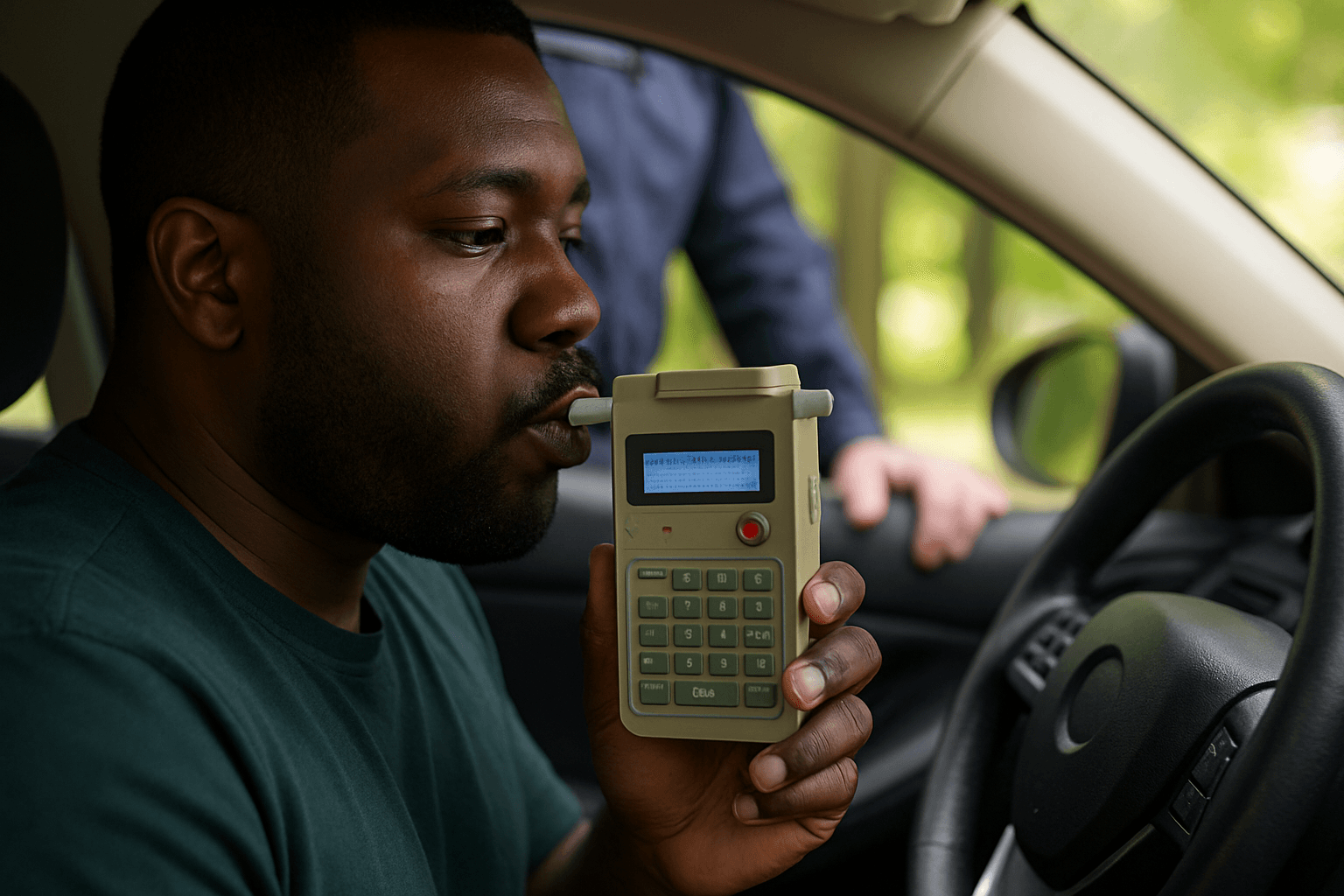
Start at the New York DMV website and navigate to the accident-prevention course section. The DMV publishes the current list of approved classroom and online providers, along with contact information and delivery format. Classroom courses typically run six hours over one or two sessions. Online courses allow self-paced completion and issue certificates immediately upon passing the final exam. Enrollment is open to all drivers regardless of age — the statute is age-neutral — but the courses are designed with mature drivers in mind and focus on defensive driving techniques, hazard recognition, and updates to New York traffic law.
Once you complete the course, the provider issues a completion certificate. This certificate includes your name, the course completion date, the provider's DMV approval number, and an expiration date three years from completion. Verify all fields are correct before submitting — a misspelled name or missing approval number will delay processing. Contact your insurance carrier or agent and ask how they prefer to receive the certificate: mail, email, or online portal upload. If mailing, send a copy, not the original, and request confirmation of receipt. Apply the discount to your current policy if you're mid-term, or time submission to arrive before your next renewal date to avoid any gap in savings.
Related Articles





Renewal Mechanics and the Three-Year Re-Enrollment Window
The discount applies for three years from the certificate issue date, not three years from the date you first submitted it to your carrier. If you completed the course on March 15, 2023, your certificate expires March 15, 2026. On your first renewal after March 15, 2026, the discount disappears. Most carriers code the expiration into your policy record and remove the discount automatically at the renewal following expiration. A few carriers send a notice 60 or 90 days before expiration reminding you to re-enroll. Most do not.
Track your own expiration date. Write it on your calendar, set a phone reminder, or note it on the physical certificate copy you keep for your records. Six months before expiration, start looking at re-enrollment options. You can take the same course again or choose a different DMV-approved provider. Completion of the new course resets the three-year clock. Submit the new certificate to your carrier at least 30 days before the old one expires to ensure continuous coverage of the discount across renewals.
If you miss the expiration and the discount drops off, you can still re-enroll and reapply. Complete a new approved course, submit the new certificate, and the carrier will reinstate the 10% reduction starting from the next renewal after they process your submission. You cannot recover the months you paid full premium between expiration and re-enrollment — the discount is not retroactive to the course completion date when you're re-enrolling after a lapse. Continuous enrollment is the only way to avoid paying the higher base rate.
Switching carriers does not carry the discount forward automatically. If you move your policy to a different insurer, you must submit your accident-prevention course certificate to the new carrier during the application or binding process. The certificate is still valid if it hasn't expired, and the new carrier must honor it under the same statute. If you're shopping for a new carrier and your certificate is near expiration, consider re-enrolling before you switch so you can submit a fresh three-year certificate to the new insurer and avoid an immediate re-enrollment cycle.
Carriers Writing NY Auto Policies
25
At least 25 carriers write auto insurance in New York and all must offer the accident-prevention course discount under state mandate. When comparing carriers, ask each what percentage they file — some exceed the 10% statutory floor — and verify their certificate submission process and expiration notification policy.
Carrier data verified via NAIC filings and state Department of Financial Services records
Comparing Carriers on Senior-Friendly Enrollment and Notification Practices
Not all carriers handle the mature-driver discount the same way. The 10% floor is uniform, but submission processes, expiration notifications, and re-enrollment support vary widely. When you're comparing carriers — whether you're shopping for the first time or considering a switch at renewal — ask three specific questions. First: does the carrier file a discount higher than the 10% statutory minimum, and if so, what percentage. Second: how do you submit the certificate, and does the carrier confirm receipt and application in writing. Third: does the carrier send an expiration reminder, and if so, how far in advance.
Carriers offering online portals for certificate upload tend to process faster and provide electronic confirmation. Carriers requiring mail or email submission to an agent introduce delays and occasional lost-document issues. A few carriers have built automated reminder systems that email or text you 90 days before your certificate expires with a link to re-enroll. Most rely on you to track your own expiration. If you're comparing two carriers with similar rates and both file the same discount percentage, the one with better enrollment infrastructure and expiration notifications delivers more reliable long-term savings.
Get the Discount Applied and Keep It Active Through Every Renewal
Enroll in a DMV-approved accident-prevention course today if you haven't completed one in the past three years. Submit your certificate to your current carrier within 30 days of completion and request written confirmation of application. Mark your calendar for six months before the certificate expires and start looking at re-enrollment options then. If you're shopping carriers, ask each how they handle submission and whether they notify you before expiration. The 10% discount is guaranteed by New York law — the only variable is whether you stay enrolled and submit proof at every renewal cycle.